
How One VC Fund Won Back 1–2 Hours a Day
1–2 hrs/day
< 4 weeks
Not disclosed
1–2 Hours Returned to Associates Daily
20–30 Active Deals in a Single Dashboard
LLM Summarization Tailored to Investment Context
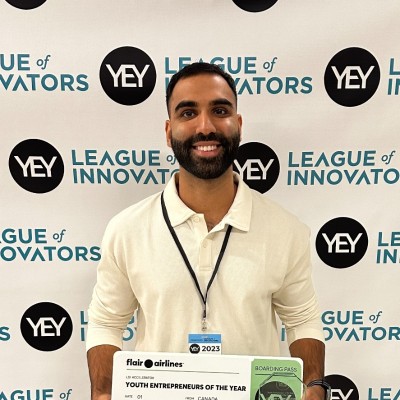
Aanikh Kler
A small-to-midsize financial services firm audited how a VC running 20–30 evaluations a week actually consumed information, then built a custom dashboard that automatically ingested all deal-related data (transcripts, emails, memos, stakeholder messages, and research) into one interface filterable by stage, vertical, and revenue. An OpenAI-based LLM layer summarized call transcripts with VC-specific framing, surfacing only the most investment-relevant insights. Associates recovered an estimated 1–2 hours per day previously lost to manual note collection and memo synthesis.
The dashboard used an OpenAI / ChatGPT-based LLM for VC-specific summarization, built in React and Node.js. The approach combined knowledge management and search (RAG) with data synthesis and reporting.
Associates recovered an estimated 1–2 hours per day, 20–30 active deals became visible in a single dashboard filterable by stage, vertical, and revenue, and LLM summarization tailored to the fund's investment context made intelligence immediately actionable.
The dashboard was built and deployed within four to eight weeks.
VC and investment fund operators frustrated by the time associates spend on research synthesis rather than deal sourcing, and knowledge-intensive teams in legal, consulting, or due diligence managing high-volume, multi-source information.
Have a similar challenge?
