
How Southwest Marketing Mapped AI Bets Across 8 Functions
70,000-Person Scale
< 4 weeks
Not disclosed
Structured Signal Framework for AI Opportunity Identification
Cross-Functional Alignment Across a 70,000-Person Enterprise
Validated Design Thinking as the Repeatable AI Assessment Process
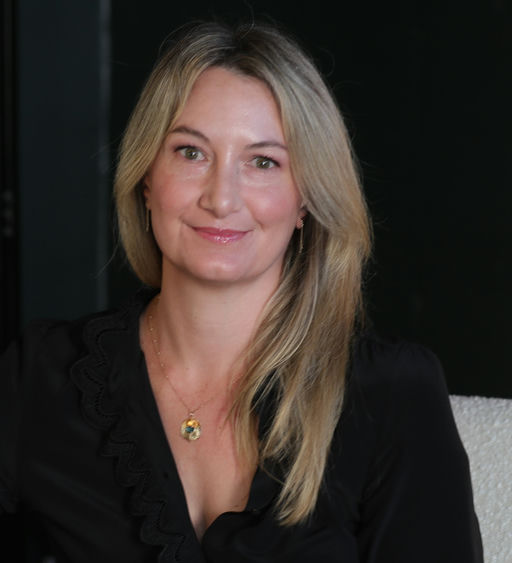
Nicola Smith
The experts applied a Double Diamond design-thinking framework, deliberately separating problem identification from solution design, and ran one-on-one interviews and cross-functional workshops across Southwest Airlines' social, paid media, brand, creative, strategy, analytics, digital, and technology teams. From those sessions they codified five reusable 'signals' that indicate where a process is ripe for AI. The output was cross-functional alignment across a 70,000-person enterprise and a repeatable assessment framework.
The work centered on process automation (RPA + AI) and a structured design-thinking discovery method, using Claude and ChatGPT. Rather than building a tool first, the team used interviews and workshops to identify high-value processes and codified five signals — available data/assets, repetitive tasks, templatized deliverables, reusable technical infrastructure, and high human-error zones.
The engagement produced cross-functional alignment across a 70,000-person enterprise, a structured signal framework for identifying AI opportunities, and a validated, repeatable design-thinking assessment process — replacing ad hoc 'AI hammer looking for a nail' approaches.
About four to eight weeks of structured discovery and workshops across the marketing function.
Enterprise organizations with large, distributed workforces that want a structured, research-grounded path to AI adoption — particularly in transportation, hospitality, retail, or any sector with complex internal marketing and operational workflows.
Have a similar challenge?
