
← case studies
Published
How an Insurer Automated Outreach Across 100K+ Calls
An insurer's staff handled every outreach and triage call by phone. An AI agent now runs all of it, handing claims to licensed medical consultants, with 4.9/5 satisfaction.
100K+ calls
Handled by AI, previously by staff
4–6 months
Implementation Time
$25K – $100K
Project Cost
the challenge
Customer outreach and initial claims triage were handled by staff over phone and email. With call volume in the hundreds of thousands, policyholders waited for responses, incoming claims were prioritized inconsistently, and staff spent much of their day on routine outreach and intake instead of complex cases. Claims that needed clinical input also had to be routed to state-licensed medical consultants by hand.
what they built
An AI agent that runs inbound and outbound policyholder outreach end to end and handles initial claims triage: it gathers claim details, classifies type and urgency, and hands each claim to the right state-licensed medical consultant or team.
The agent is trained on the insurer's policies and claims categories and escalates anything outside its scope to a person.
The team started by defining the common outreach scenarios and claims intake questions, then trained the AI agent on the insurer's policies and claims categories. The agent was tested against real customer interactions and went live on a portion of outreach volume first. Once it held up there, coverage expanded to claims triage and the handoff to state-licensed medical consultants, until all of that work ran through the agent. The full rollout took a couple of months. Triage on ambiguous or urgent claims took the most tuning, and the team kept a human check on those decisions while the agent proved itself.
best fit for
Health, life and specialty insurers, TPAs and benefits administrators running high-volume policyholder outreach and claims intake, especially where clinical claims have to reach state-licensed medical consultants quickly and every handoff needs to be consistent and on record. It works best when outreach scripts and claims categories are well defined and staff can review the edge cases the agent escalates.
Ai ROLE
The AI agent holds the outreach conversations, gathers claim details, classifies each claim by type and urgency, and hands it to the right state-licensed medical consultant or team, escalating anything outside its scope to a person.
impact
100K+ calls
Customer calls the agent now handles that staff previously handled by hand.
100%
Of outreach, triage and handoff to state-licensed medical consultants automated.
4.9 / 5
Customer satisfaction score after calls with the agent.
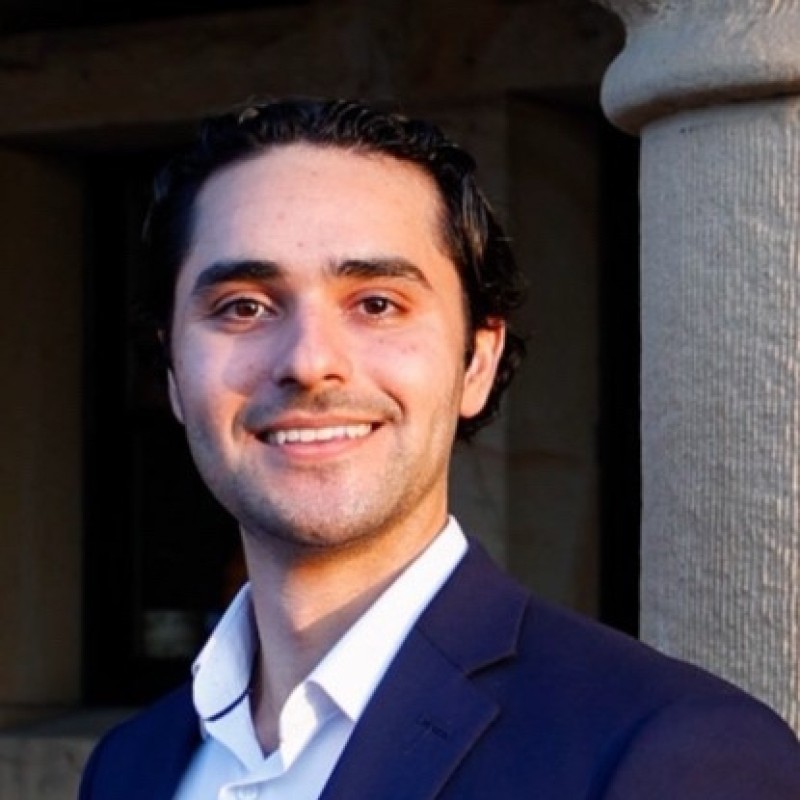
Kevin Malaekeh
Co-founder of ModernEdge AI, a Claude partner that builds custom AI agents, voice systems and document workflows for mid-market and PE-backed companies.
Get an intro
Talk to this teamindustry
Insurance
business organization
Customer Service
AI TYpe
Conversational AI (Chatbot / Agent)
value type
Time Savings
more from this expert
frequently asked questions
How did an insurer automate claims outreach and triage with an AI agent?
It trained a conversational agent on its policies and claims categories, put it on routine outreach first, then extended it to triage and handoff. The agent now handles all of that work across more than 100,000 calls that staff used to take.
What AI was used for the insurance claims agent?
A conversational AI agent running on Claude, trained on the insurer's policies and claims categories and set up to escalate anything outside its scope to a person.
What results did the insurer see?
100% of customer outreach, triage and handoff to state-licensed medical consultants is automated, covering more than 100,000 calls previously handled by staff, with a 4.9 out of 5 satisfaction score after calls.
How long did the AI claims agent take to roll out?
The full rollout took a couple of months, starting with outreach and extending to claims triage and handoff once the agent proved reliable.
Who is an AI claims triage agent best for?
Health, life and specialty insurers, TPAs and benefits administrators with high-volume outreach and claims intake, especially where clinical claims must reach licensed consultants quickly and every handoff has to be consistent and documented.
Have a similar challenge?
A network of pre-vetted applied AI experts and AI-native service organizations.
©2026. All rights reserved
